
tm59 Overheating Calculation for Hubble Architecture
Expert Overheating Assessment for a Stunning Modern New Build
The Low Street Case:
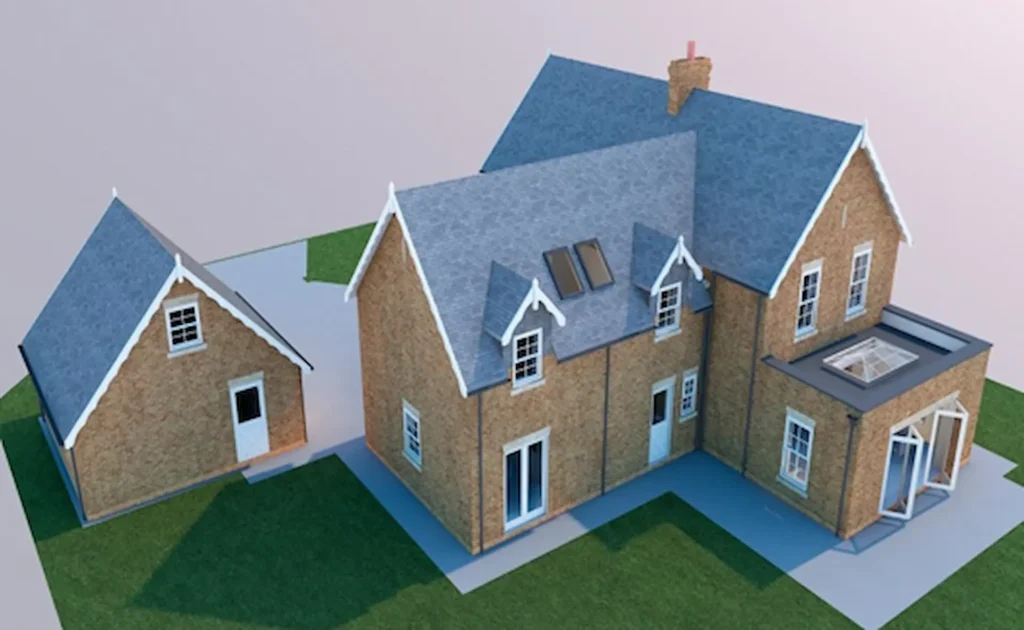
The Low Street project is a stunning modern new build tucked away in the charming village of Beckingham. This beautifully designed detached property represents the pinnacle of contemporary residential design, requiring a sophisticated TM59 Overheating Calculation to ensure year-round thermal comfort. High-end developments demand the highest level of compliance and premium results through expert modelling, and this is where GC Reports comes in.
Objectives:
At the outset of the project, our primary objective was to ensure the proposed design for Low Street achieved full compliance with Part O of the Building Regulations. For a modern, detached new build of this calibre, a TM59 overheating calculation is essential to guarantee that the internal environment remains safe and comfortable, preventing excessive heat build-up during the summer months.
The goal was to identify any potential thermal risks early in the design phase, allowing us to advise on glazing specifications and shading strategies before construction began, preventing issues further on in the project and costly adjustments having to be made.
By being involved from the start and communicating closely with the client, we aimed to:
- Ensure Compliance: Meet the rigorous requirements of Part O through expert TM59 modelling.
- Protect Occupant Comfort: Optimise the building fabric to provide a high-standard living environment.
- Mitigate Risk: Identify necessary design improvements early to avoid costly retrofitting or delays later in the build.
- Provide an Efficient Service: Ensure the service was quick, easy and efficient, ensuring Hubble Architecture had no long delays in their project.
Strategy:
-
Phase 1 – Initial Assessment: Our first objective was to check if the property could pass the Simplified Part O Calculation. This method is cheaper and simpler for the client, and is therefore our first thought when conducting Overheating Calculations, as the client’s needs are our priority. However, the Low Street project failed this assessment, meaning we had to move to the TM59 Overheating Calculation next to ensure the project’s compliance.
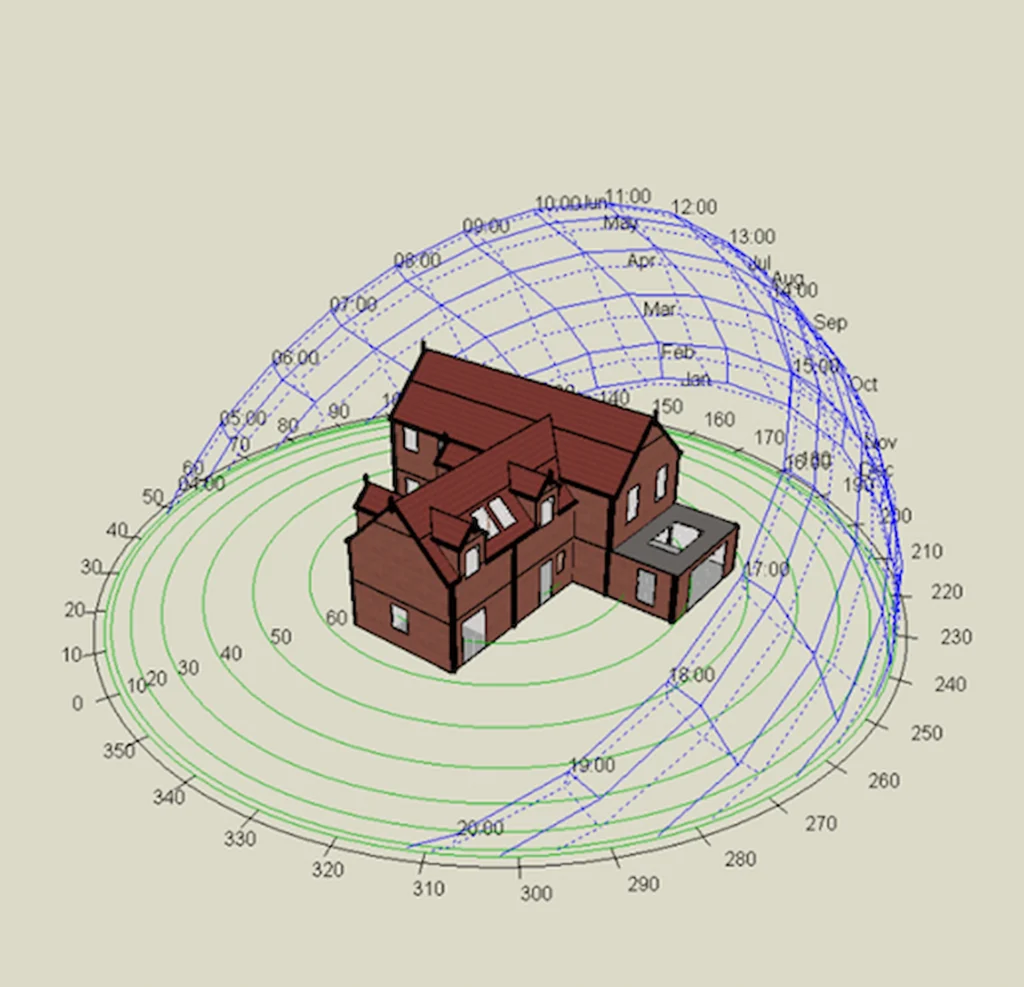
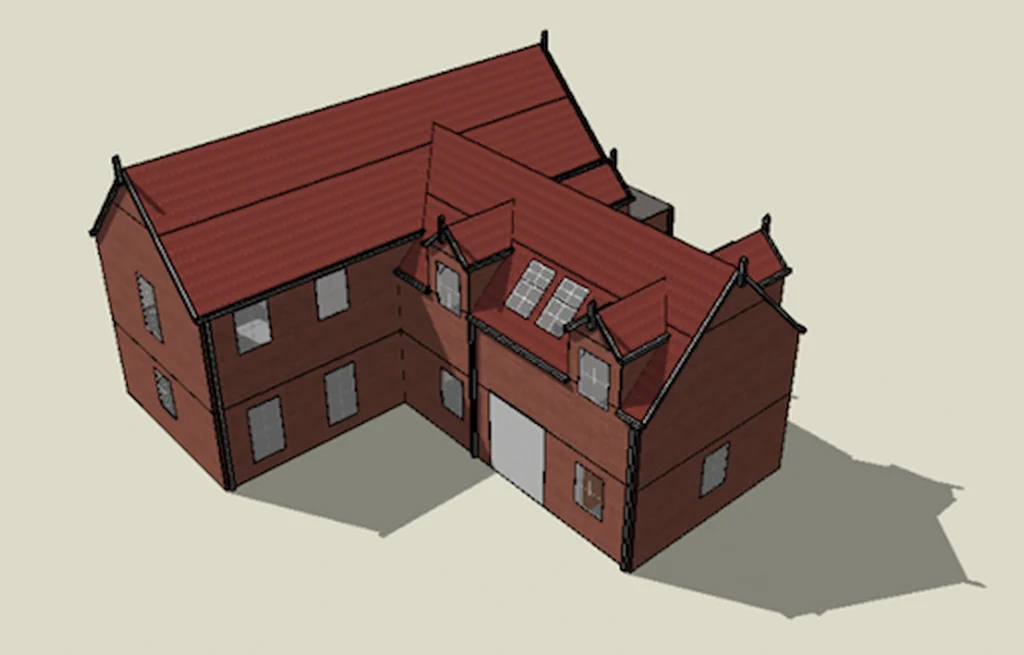
Phase 2 – Dynamic Thermal Modelling: As Low Street is a high-specification, bespoke new build, we proceeded to produce a high-fidelity 3D model of the building using Design Builder. This software allows for a sophisticated analysis of the luxury property’s geometry and orientation. At this stage, quality and consistency are of utmost importance; creating an accurate digital twin is essential to ensure the thermal performance mirrors the real-world conditions of the finished home.
Phase 3 – Overheating Assessment: Once the model was established, the team input all site-specific data—including glazing G-values, local weather files, and occupancy profiles—to carry out the formal TM59 Overheating Assessment. We took readings across all high-risk habitable rooms, providing a well-detailed and thorough set of results. This testing ensured that Low Street had a well-rounded analysis, covering all aspects required for the property to be compliant according to the rigorous standards of Part O.
Phase 4 – Analysis & Optimisation: Upon completion of the simulations, results were meticulously analysed by our qualified assessors. Following the GC Reports standard, we checked for any marginal failures or irregular data points that might require design adjustments. By identifying these early and communicating effectively with Hubble Architecture, we were able to ensure the analysis we had done was satisfactory and represented the property to the standard our client wanted, ensuring client satisfaction. Our dialogue also ensured that there was no further cost in terms of time and expense for Hubble, and the project remained on track after the completed TM59 Overheating Calculation.
Result:
Low Street successfully passed every aspect of the TM59 Overheating Assessment for each habitable room. Following our detailed analysis and coordination, the final compliance reports were issued within twenty-four hours of the simulation being completed. Due to our efficiency and proactive communication with the client at Low Street, Beckingham, we ensured that the property met the rigorous requirements of Part O without the need for costly design changes mid-construction. Our streamlined process allowed the project to move forward with confidence, ensuring all project deadlines were met and the building was ready for future occupancy.
Conclusion:
The Low Street project demonstrates the value of expert thermal analysis in delivering a high-specification new build that is both beautiful and compliant. By engaging with Hubble Architecture early in the design phase, GC Reports was able to navigate the complexities of Part O, moving from an initial simplified check to a detailed TM59 Dynamic Thermal Model to guarantee the best results for the client.
Through meticulous 3D modelling and proactive communication, we identified the necessary specifications to ensure year-round occupant comfort while avoiding the risk of expensive mid-construction adjustments. The successful result—delivered within twenty-four hours of the assessment—provided Hubble Architecture with the premium, efficient service required for such a high-calibre development. Ultimately, our involvement ensured that this stunning home in Beckingham remains a climate-resilient, luxury environment that fully meets modern building standards.